 Image 1 of 6
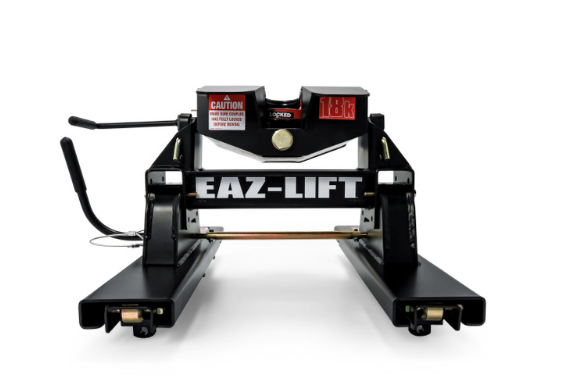 Image 2 of 6
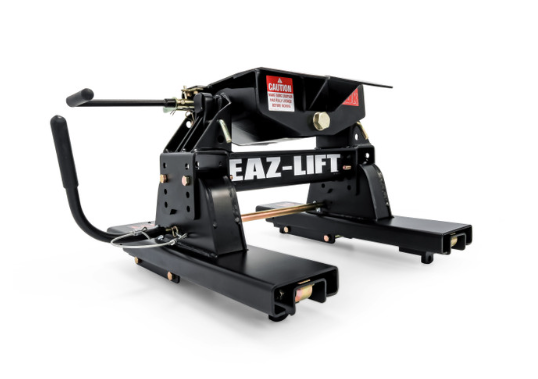 Image 3 of 6
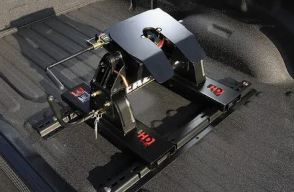 Image 4 of 6
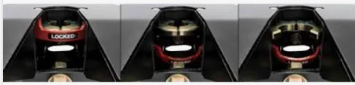 Image 5 of 6
 Image 6 of 6
*Fifth-Wheel Towing: What RV Owners Need to Know
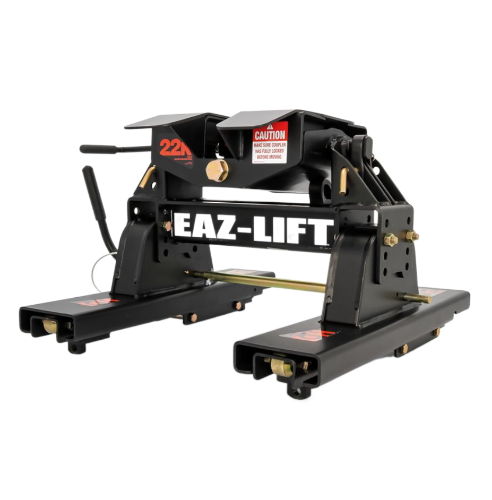
Towing a fifth wheel is a completely different experience from pulling a travel trailer — smoother, more stable, and far more confidence-inspiring. But the system is only as good as the hitch connecting your truck and your camper. A properly chosen and professionally installed fifth-wheel hitch does three essential jobs:
1. It locks your trailer into the strongest point of your truck
Fifth wheels mount directly above the rear axle, not behind it. This reduces leverage on the truck, improves braking control, and virtually eliminates traditional trailer sway. The hitch head becomes the anchor point, letting the truck and trailer move as one.
2. It manages articulation when roads aren’t perfect
A quality fifth-wheel hitch must allow controlled pivoting — side-to-side and front-to-back. This prevents harsh jolts, reduces shock transfer, and keeps both the truck and the RV riding smoothly across dips, uneven pavement, angled driveways, and tight turns.
3. It protects your truck and camper during tight maneuvers
Short-bed trucks are more vulnerable to cab-to-cap contact. The right slider hitch instantly provides the added clearance needed to prevent expensive damage during campground and parking-lot turns.
Why the Hitch Itself Matters
Not all fifth-wheel hitches perform the same. Some require perfect alignment to latch. Some make it hard to confirm a true lock. Others use lighter materials that wear quickly. And some sliders simply don’t provide the real-world clearance RVers actually need.
At Pete’s RV, we only install systems that solve these common problems:
Visible, easy-to-confirm jaw locking — no guessing whether you're safely hitched.
Reliable pivoting head design — reduces “chucking” and harsh rebound.
Real turning clearance when you need it — especially critical on short-bed trucks.
ISR rail compatibility — keeps your upgrade options open for the future.
Your Truck, Your Trailer, Your Setup
Every fifth-wheel setup is different — truck bed length, trailer front-cap shape, pin-box style, and payload numbers all change what’s required for a safe towing system.
That’s why Pete’s RV professionally installs:
• ISR rails or compatible mounting hardware
• Hitch height adjustments
• Proper torque specs
• Full safety checks and functionality verification
When your hitch is installed and adjusted correctly, your entire towing system works smoother, safer, and with complete confidence. is based on standard equipment installation and is subject to change if a custom brackets are required.